
The Importance of Tree Health and Pest Control for a Thriving Landscape
Trees are more than just aesthetic elements in a landscape—they are vital components of a healthy, sustainable environment. They provide shade, improve air quality, stabilize soil, and enhance property value, making them indispensable in both residential and commercial settings. Healthy trees also contribute to energy efficiency by reducing cooling costs in the summer and acting as windbreaks in colder months. Additionally, well-maintained trees support local biodiversity, offering habitats for birds, insects, and other wildlife. However, trees face numerous threats that can compromise their health, from environmental stressors to invasive pests and diseases. Ignoring these issues can lead to weakened trees, increased maintenance costs, and even potential safety hazards. Understanding the importance of proactive tree care is essential for anyone looking to maintain a thriving landscape.
Pest infestations and poor tree health do not only affect the individual tree but can have cascading effects on the surrounding ecosystem. Damaged trees are more susceptible to structural failure, which poses risks to people and property. Moreover, pests can spread quickly, impacting multiple trees and potentially creating long-term ecological and financial consequences. Tree diseases and infestations may also reduce a property’s curb appeal, affect neighborhood aesthetics, and diminish real estate value. Implementing effective tree health management and pest control strategies ensures the longevity, beauty, and safety of a property’s green assets. Proactive care helps prevent emergencies, reduces long-term costs, and fosters a resilient, vibrant landscape. In this blog, we explore the critical aspects of maintaining tree health, preventing pest-related damage, and best practices to cultivate a resilient, thriving landscape.
Understanding Tree Health: The Foundation of a Strong Landscape
Signs of a Healthy Tree
A thriving tree displays several clear indicators, including vibrant foliage, steady growth, and sturdy branches. Seasonal changes naturally affect leaf color and density, but sudden discoloration, premature leaf drop, or sparse canopies can signal underlying issues. Healthy roots anchor the tree, absorb nutrients efficiently, and support overall growth. Observing the crown, trunk, and root zone provides early warning signs, allowing for timely intervention before minor problems escalate into severe threats.
Common Threats to Tree Health
Trees are exposed to a variety of environmental and biological stressors. Drought, poor soil quality, pollution, and extreme weather events weaken trees and compromise their resilience. Biological threats include fungi, bacterial infections, and insect infestations. For instance, diseases like Dutch elm disease and oak wilt can decimate entire tree populations if not promptly addressed. Early identification and treatment of these threats are critical to preserving tree health and preventing costly removals or replacements.
Best Practices for Maintaining Tree Health
Routine inspections, proper watering, soil management, and timely pruning are foundational to a healthy landscape. Fertilization tailored to species-specific needs supports growth, while mulching helps retain moisture and regulate soil temperature. Additionally, integrating native and drought-resistant species can increase resilience and reduce long-term maintenance. Consulting certified arborists ensures that health management strategies are evidence-based and aligned with professional standards, maximizing tree longevity and landscape vitality.
Pest Control: Safeguarding Trees from Invisible Threats
Common Tree Pests and Their Impact
Tree-damaging pests vary by region but often include beetles, aphids, scale insects, and borers. These organisms feed on leaves, sap, or bark, disrupting nutrient flow and weakening structural integrity. For example, emerald ash borer infestations have destroyed millions of ash trees across North America, drastically altering urban and suburban landscapes. Pests not only compromise tree health but also create attractive conditions for secondary infections, amplifying the damage over time.
Early Detection Techniques
Proactive pest monitoring is critical for preventing widespread infestations. Signs such as holes in bark, sticky residue, or abnormal leaf patterns indicate pest activity. Regular inspections, ideally conducted by trained professionals, help identify these warning signs early. Implementing traps, pheromone monitoring, or visual assessments can enhance detection accuracy and allow for timely, targeted interventions.
Integrated Pest Management Strategies
Effective pest control combines cultural, biological, and chemical approaches. Cultural practices, like proper pruning and sanitation, reduce habitats for pests. Biological controls involve introducing natural predators to keep harmful populations in check. When chemical treatments are necessary, selecting species-specific, environmentally responsible options minimizes collateral damage and promotes sustainable tree care. Integrated Pest Management (IPM) balances proactive prevention with minimal ecological disruption, ensuring trees remain healthy without overreliance on pesticides.
Soil and Nutrition: The Hidden Factors in Tree Vitality
Nutrient Management for Thriving Trees
Essential nutrients like nitrogen, phosphorus, and potassium support growth, while micronutrients such as magnesium, iron, and zinc contribute to overall vitality. Deficiencies manifest in stunted growth, chlorosis (yellowing leaves), or premature leaf drop. Tailored fertilization programs based on soil test results ensure trees receive the right balance of nutrients without risking over-fertilization, which can harm both trees and surrounding plants.
Mulching and Watering Techniques
Proper mulching conserves moisture, moderates soil temperature, and suppresses weed growth. Organic mulch also decomposes over time, enriching soil structure and microbial activity. Watering practices should reflect tree species, soil type, and climate conditions. Deep, infrequent watering encourages robust root development, while frequent shallow watering can lead to surface root growth and reduced resilience against drought or disease.
Pruning and Structural Care: Shaping Resilient Trees
Importance of Strategic Pruning
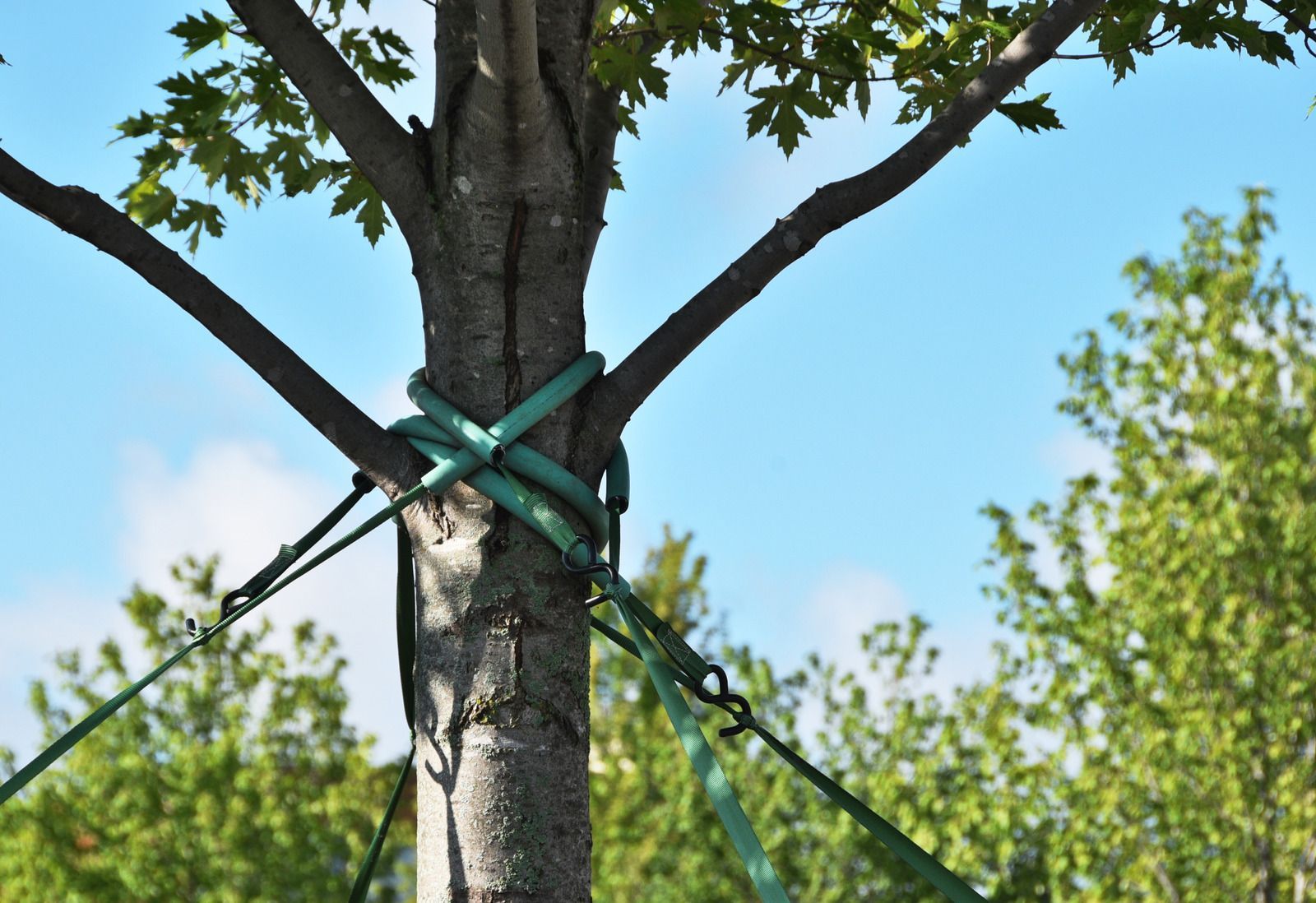
Pruning removes dead, damaged, or diseased branches, reducing the risk of structural failure and pest infestations. Proper pruning encourages strong branch architecture, allowing trees to withstand storms and heavy loads. Neglecting pruning can result in weak crotches, split limbs, or crowded canopies, making trees more susceptible to decay and pest invasion.
Seasonal Considerations
Timing is essential in pruning. Late winter or early spring pruning encourages healthy growth, while summer pruning may be necessary to manage disease or reduce canopy density. Avoiding pruning during periods of high pest activity minimizes the chance of introducing infections through fresh cuts. A strategic approach ensures that tree health and aesthetic appeal are both maintained.
Techniques and Safety Measures
Professional arborists use specialized tools and techniques, such as crown thinning, crown reduction, and corrective pruning, to enhance tree stability. Safety protocols, including proper harnessing, fall protection, and equipment maintenance, prevent accidents and protect both workers and the surrounding property. Correct pruning techniques also reduce stress on trees, supporting long-term vitality and resilience.
Monitoring and Maintenance: Long-Term Strategies for Tree Longevity
Routine Inspections
Regular tree inspections are a proactive way to detect early signs of stress, disease, or pest infestation. These assessments allow for timely interventions, reducing the need for emergency treatments or costly tree removal. Inspections should include evaluations of canopy density, leaf health, trunk integrity, and root conditions.
Documentation and Record-Keeping
Maintaining detailed records of tree care activities, pest treatments, and soil amendments helps track long-term health trends. This documentation supports informed decision-making, ensures compliance with local regulations, and provides valuable insights for future landscape planning.
Leveraging Technology for Tree Care
Advancements in technology have transformed tree management. Remote sensing, drone inspections, and tree health monitoring apps provide precise data on canopy stress, nutrient deficiencies, and pest activity. These tools enable arborists to implement targeted interventions, reduce resource waste, and enhance overall landscape management efficiency.
Community and Environmental Considerations
Trees contribute to broader ecological health by supporting biodiversity, improving air quality, and mitigating urban heat. Maintaining tree health benefits not only individual properties but also the surrounding community and ecosystem. Responsible pest control practices, coupled with sustainable maintenance strategies, ensure that landscapes remain vibrant, safe, and environmentally beneficial for years to come.
Reliable Arborist Services for Thriving Landscapes Always
Maintaining tree health and implementing effective pest control are essential for cultivating thriving, resilient landscapes. Healthy trees improve property aesthetics, increase real estate value, and contribute to environmental sustainability. By addressing threats such as pests, diseases, and soil deficiencies, property owners can prevent costly damage, enhance safety, and extend the lifespan of their trees. Strategic pruning, proper nutrition, and regular inspections further ensure that trees remain strong, structurally sound, and visually appealing. Integrating these practices into routine landscape management transforms outdoor spaces into vibrant, sustainable environments that benefit both residents and communities. Additionally, well-cared-for trees create shaded, inviting spaces that encourage outdoor activity and foster a sense of community while also supporting local wildlife and ecosystems.
At Clark's Tree Works
in Modesto, California, we bring 45
years of experience in professional tree care, pest management, and landscape maintenance. Our team of certified arborists is committed to preserving the health and longevity of your trees through expert assessments, targeted treatments, and proactive maintenance strategies. Whether managing mature trees, addressing pest infestations, or providing routine pruning and soil management, Clark's Tree Works
combines technical expertise with a dedication to client satisfaction. Over four decades, we have built a reputation for reliability, precision, and environmentally responsible practices. Property owners in Modesto and surrounding areas trust us to safeguard their landscapes, ensuring vibrant, safe, and sustainable outdoor environments that enhance both beauty and value. Our ongoing commitment to innovation, education, and eco-conscious solutions further reinforces our role as a trusted partner for all tree care needs.